
What Are Emergency Options For Lost Dental Bridges?
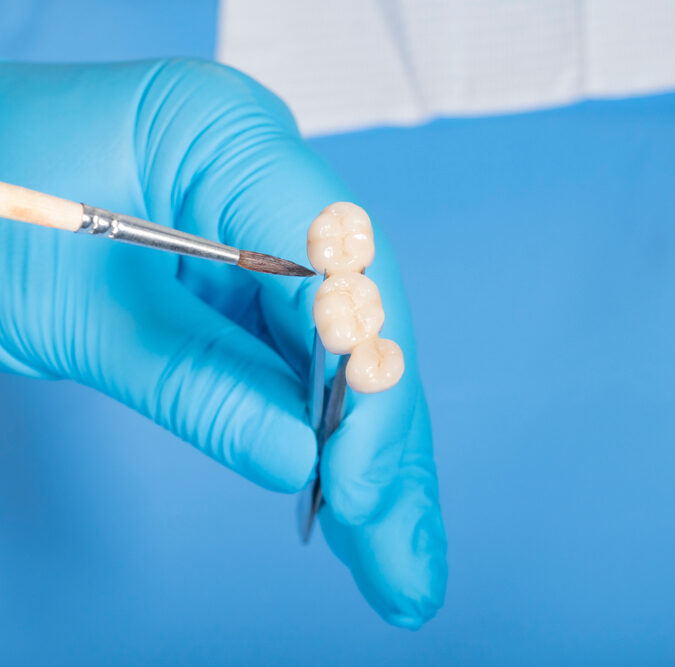
Imagine waking up one morning to find that your dental bridge has come loose or fallen out completely. Missing teeth is a nightmare scenario for many people because a bridge is meant to fill the space where a missing tooth should be. Not only does a bridge provide a practical purpose to prevent your teeth from shifting, but it also provides an aesthetic purpose. Despite the panic a loose or missing bridge can cause, this is a more common occurrence than you might expect. If you find yourself in this situation, there are things you can do! We’ll discuss immediate steps to take, emergency solutions, and share preventive tips so you don’t end up in this same position in the future.
Understanding Dental Bridges and Why They Come Loose
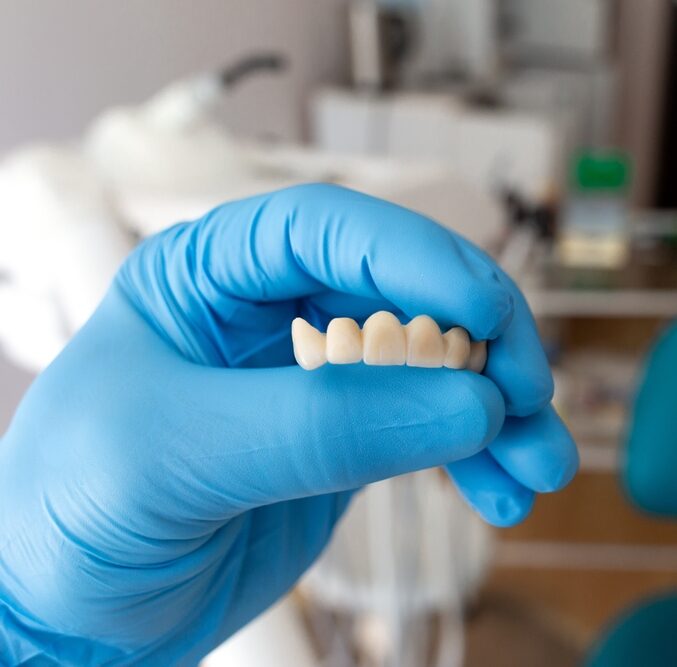
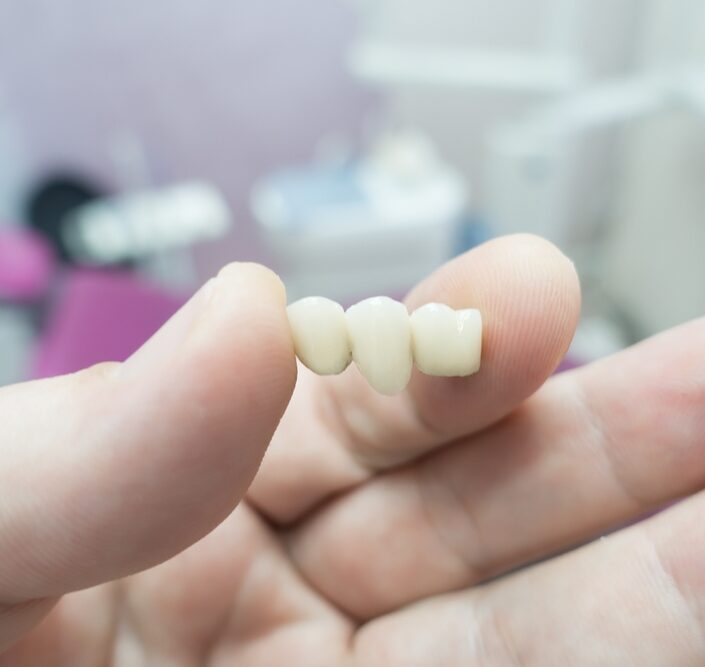
What are dental bridges? A dental bridge is a prosthetic device that fills the gap where a natural tooth once was to restore function. It quite literally bridges a gap in your mouth. Missing teeth can cause many issues in your mouth, including speech problems, shifting of other teeth, and changes in your facial structure. A dental bridge has a shorter lifespan of only 5 to 15 years if taken care of properly because there are so many variables that will cause it to loosen or fall out completely. Of course, natural wear and tear is a significant contributor, but poor oral hygiene, grinding or clenching, a mouth injury, and many other factors can cause bridge falls as well.
Immediate Steps When Your Bridge Goes Missing
If your dental bridge has fallen out, the first step is to remain calm. If the dental bridge has fallen completely out, try to retrieve it for the dentist, if possible. Do not try to replace a dental bridge because you could cause further damage. Rinse your mouth with warm salt water and assess for any other damage from the fallout. Call your emergency dentist as soon as possible so you can be evaluated and advised on the next steps. If it will be some time before you can access emergency services, avoid extreme-temperature foods, take over-the-counter pain medicine, and keep the bridge in a dry, safe place until you can see your dentist.
When to See an Emergency Dentist
It’s hard to know what is considered an emergency when it comes to dental care. A few signs that you should book an emergency dental appointment are:
- Swelling and/or severe pain
- Signs of infection
- Nonstop bleeding
- Visible tooth damage
- Injury to the mouth or teeth
- Missing teeth or implants
- Sharp edges that cause damage to the soft tissue in the mouth
- Bridge loss due to injury
Individuals who wait too long to address emergency or non-emergency matters may end up in worse situations that cause more long-term damage, and incur more cost to fix the problem than they would if they had contacted emergency dental services sooner.
Emergency Dental Services and What to Expect
There are many avenues of finding emergency dental care. Some dentists focus only on emergency dental care, while others in regular dental offices offer special emergency appointments or make room for emergency calls within their schedule. There are also speciality dentists who offer after-hours care with emergencies in mind. If you were in an accident, some emergency dental services can be provided at the hospital, but the range of services is often limited.
For a dental bridge emergency, you should expect the dentist to take necessary X-rays and evaluate both the bridge and its supporting teeth. They will discuss options to repair and any required pain control. Dental bridge treatment will depend on your unique situation, but it often involves reattaching your dental bridge or implants if it’s still intact, a bridge replacement, or protecting or supporting the supporting teeth.
How to Schedule an Emergency Appointment for Your Bridge Emergency
When dealing with a dental emergency like missing teeth or implants, always start with your dental office first. They will know your dental history the best, and may have emergency lines or services in-house. Explain the situation in detail so they can best understand how to help you. If they don’t have emergency dentists available, ask them for a referral and advice on what to do next. Do not wait to seek outside dental assistance if your home dentist doesn’t have emergency services. The last thing you want to do is cause more damage by waiting.
Temporary Solutions and Prevention Tips for Dental Bridge Issues
If you are in a real bind and are unable to access dental care for your bridge, there are some at-home options you can explore. Over-the-counter dental cement exists for these crisis situations. Please note that this product is temporary and meant to last only 48 hours, not days or weeks. While temporary cement can help protect exposed teeth and improve functionality, it also carries risks. If not appropriately applied, the cement can trap bacteria and lead to infection if not addressed by a professional.
Here are a few tips for long-term prevention of any bridge interruptions in the future:
- Stay vigilant with your home oral hygiene routine
- Schedule your cleanings and regular check-ups every 6 months
- Avoid hard or sticky foods that could loosen your bridges
- If you feel any looseness early on
Long-Term Care After an Emergency Dental Visit
At the end of your emergency dental visit, the staff will provide you with any next steps, aftercare, and follow-up instructions. Taking any prescribed medicine as directed and following the suggested diet are highly encouraged to allow any bridge repairs to set correctly. Once your dental work is complete, you will need to plan for future maintenance appointments to keep your bridges in good condition over the years.